In partnership with

Hello everyone,
I went to an oyster festival this weekend and stood outside the gate for a couple of minutes, genuinely confused.
It was $25 to get in.
Not for oysters. Just to walk through the gate.
Then I get to pay again for the actual oysters.
I don’t care about the music. I don’t want the “festival vibe.” I want oysters.
I’d happily pay for oysters.

But first I have to pay for the privilege of being allowed to buy oysters?
That’s the same thing teams do when they gate free usage too hard and then wonder why “activated” users won’t convert.
Let’s dive in.
The Ghosted Moment
This might sound ridiculous, but it happens all the time:
You’re not charging for a clear result.
You’re charging for the chance to find out what the result feels like.
And the user’s brain reads that as: risk.
Here’s how it usually plays out:
You design your trial / freemium because you want to deliver value before asking for money.
Then you define “activation” based on what you allowed in free: created X, connected Y, completed onboarding, clicked the tutorial.
You celebrate when a big chunk of users hit that target.
Then those same “activated” users run into the paywall… and disappear.
Teams often interpret this as:
“They didn’t like the result.”
But a lot of the time the truth is simpler (and more annoying):
They didn’t even get a real chance to experience the result.
They got a guided tour of your product… and then the paywall jumped out right where the “proof” should have been.
So you end up with a free tier that creates a decoy instead of trust.
Adding more features to the paid tier won’t fix that.
Locking more features will usually make it worse.
One question to ask your team if you are battling the same problem:
What is the most popular problem our users have? Do they see exactly how it will be resolved through the free tier?
Attio is the AI CRM for modern teams.
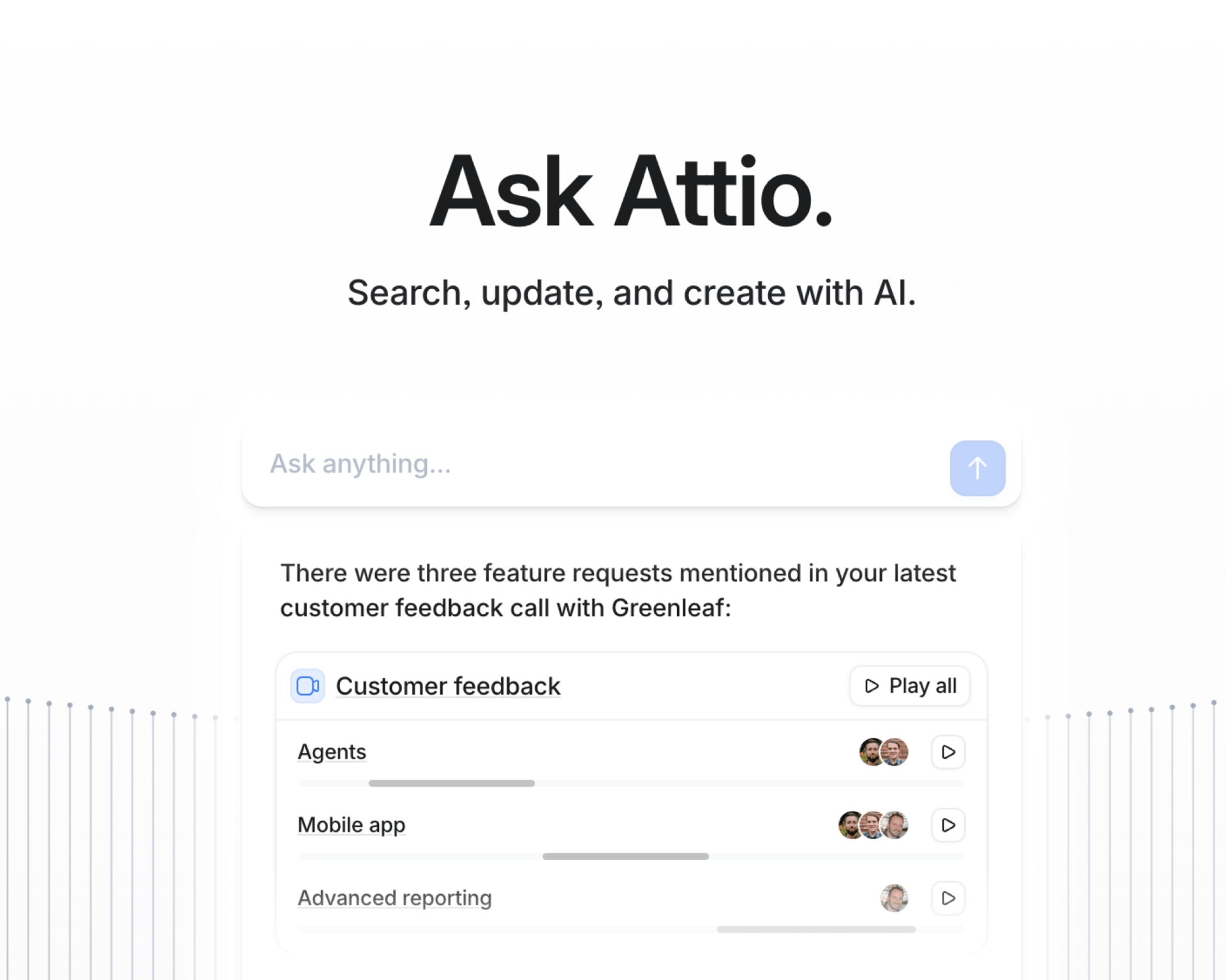
Connect your email and calendar, and Attio instantly builds your CRM. Every contact, every company, every conversation, all organized in one place.
Then Ask Attio anything:
Prep for meetings in seconds with full context from across your business
Know what’s happening across your entire pipeline instantly
Spot deals going sideways before they do
No more digging and no more data entry. Just answers.
What’s Behind It
Right before someone upgrades, they’re trying to answer three questions.
If your free experience doesn’t answer them, the paywall feels like paying to gamble.
1) “What will the result look like?”
You can promise “solve your problem.” You can show marketing screenshots.
But especially with AI products, users know there’s a difference between:
an output that looks impressive, and
an outcome they can actually use.
When people can’t picture the outcome, they avoid committing. That’s ambiguity/uncertainty aversion: we favor options where the odds and the result feel knowable.
So if the paywall blocks the first real proof, you’re asking them to pay while the result is still a blur.
That’s literally “pay for the privilege of finding out.”
2) “How much time will this actually take me?”
Your product says “2 minutes.”
Users hear: “2 minutes… if everything goes perfectly and I already know what I’m doing.”
People systematically underestimate time/cost/effort (planning fallacy), and they also don’t trust optimistic estimates because they’ve been burned by them.
If effort is unclear, upgrading feels like buying a mystery workload.
And nobody wants to subscribe to a missed deadline.
3) “Will I be able to get the result with the skills I have?”
This is self-efficacy.
If I don’t feel capable, I won’t start. And if I do start, I’ll quit as soon as it gets hard. That’s basically Bandura’s point: what people believe about their ability determines whether they begin, how much effort they put in, and whether they stick with it.
Now add money.
Once price shows up, you trigger the pain of paying: paying feels like a loss, so users need a stronger justification to go through with it. And you know, no one wants to feel like a failure for their own money.
So they ghost.
Psychology Cheatsheet
User question: What will the result look like?
Pattern: ambiguity / uncertainty aversion
Design answer: show a real, usable outcome before money
User question: How much effort will this take me?
Pattern: planning fallacy + distrust of optimistic estimates
Design answer: let them complete one full loop; make the work visible
User question: Will I get stuck?
Pattern: low self-efficacy + pain of paying
Design answer: prove “I can do this” before you ask them to pay
Join cool people who share great content
How to Turn It Around
I’m honestly impressed by the bet Lovable made.
Most products try to “educate” you about limits upfront.
Lovable does the opposite.
They basically say: don’t think about limits yet. Start.
And that’s exactly why it works. They bet on radical engagement.
And here’s how this strategy answers our three questions.
1) “What will the result look like?”
If you tell me “you get 5 credits,” I have zero idea what that means.
5 credits for what?
One button? One screen? One full landing page?
Am I about to waste it in 20 seconds?
So Lovable doesn’t hit you with that math first.
You just jump in and start prototyping.
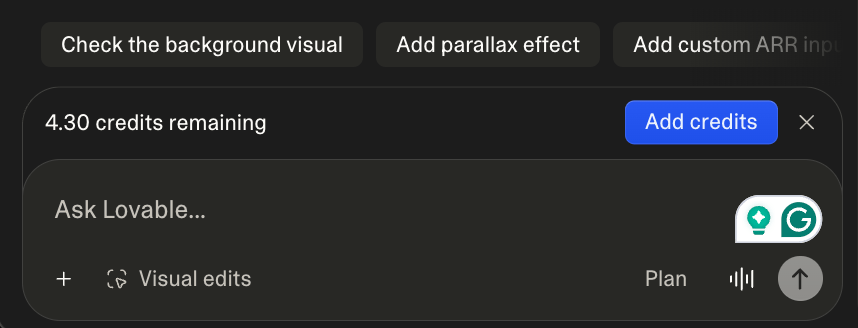
Then — only when you send your first input — you get a little notification like:
“Charged X credits.”
And once the output shows up, now the credit system makes sense.
For me, the free credits were enough to build two landing pages and iterate a bit.
So I immediately understood: okay, this is what “free” buys me per day.
And the key part: it’s not one-time “demo credits.”
It resets daily.
So you can build a habit before you’re asked for a bigger commitment.
Instead of staring at locked features and spiraling about what you can’t do, you’re just… solving your problem. And you learn exactly how the results will look.
2) “How much time will this actually take me?”
Same thing.
A lot of tools promise “2 minutes,” and then you lose an hour trying to get something usable.
With Lovable, you learn effort the same way you learn value: by doing one real loop.
You send a prompt → you get output → you see what it cost.
After a couple of tries you can feel:
how many iterations you can afford today
what a “quick tweak” costs vs a “big build”
whether you’re making progress fast or grinding
It turns “I hope this is quick” into “I know what this takes.”
3) “Will I be able to do this with the skills I have?”
This is the subtle part.
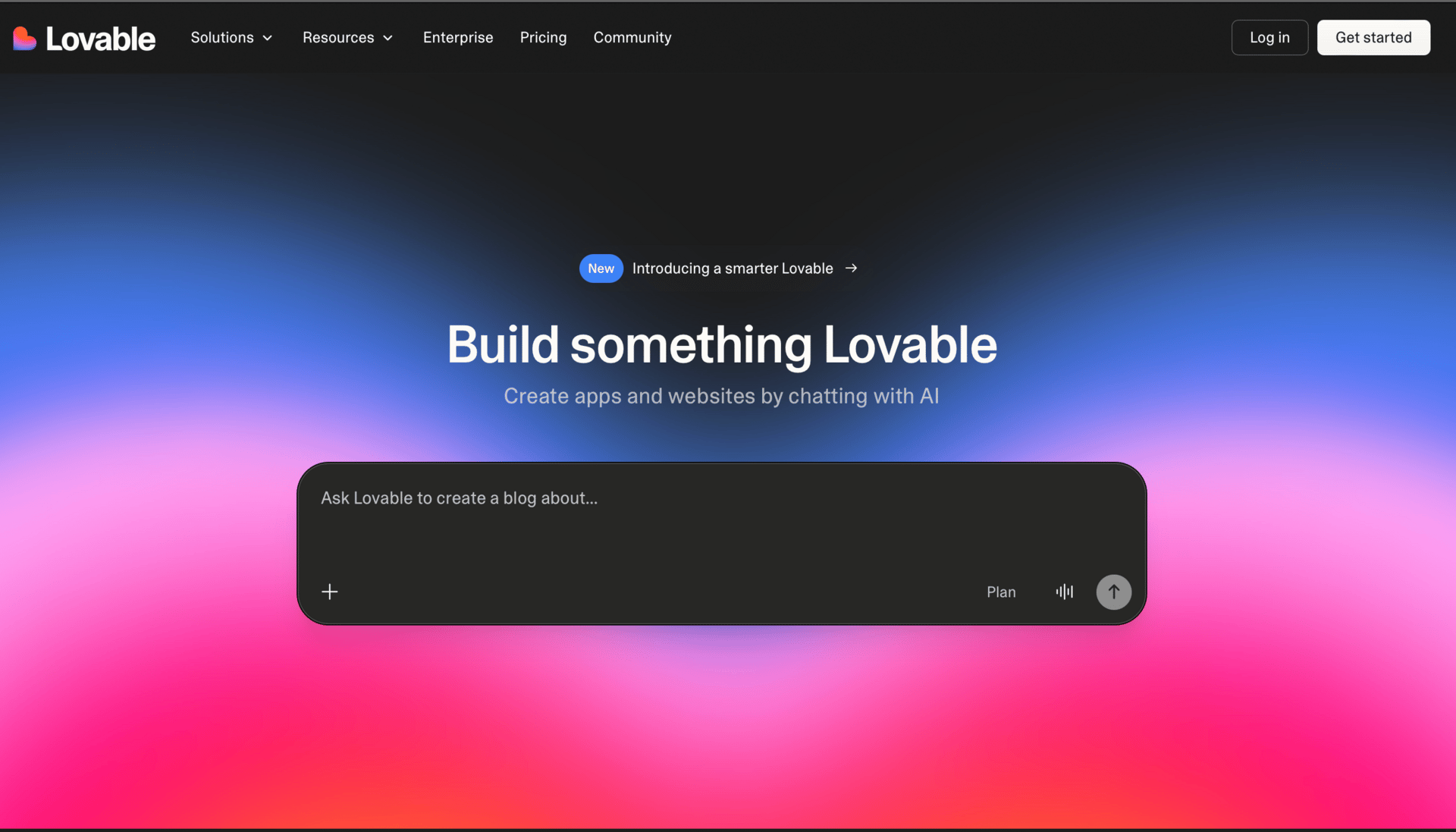
They reduce the “I’m going to feel stupid” fear before it even shows up — on the landing page.
You see the input right away.
It looks normal.
You type what you want.
And once you’ve shipped something with your own hands, paying feels like extending something you already know how to use.
Join cool people who share great content
If you forget everything, remember this:
The point of free isn’t to give less. It’s to make value feel real. If your free tier doesn’t build clarity and trust, it will train users to hesitate, not to upgrade.
🎉 Woow, you finished the issue, that’s awesome!
Hi, I’m Anastasia Kudrow, and I write Ghosted.
I am also a product growth consultant. I help SaaS teams apply psychology and PLG to build growth they can actually control. I run my own project, Growing Pains, and also work with one of the leading PLG consulting agencies, ProductLed, led by Wes Bush.
Feel free to follow me on LinkedIn: https://www.linkedin.com/in/anastasia-kudrow/
Or check out my website, maybe we can work together: https://www.growingpains.consulting/
See you next week!