Hey everyone!
Some of you know I work with Wes Bush — author of Product-Led Growth, and a whole team of other great PLG people. Internally, we keep coming back to the same thing: underestimating the gap between acquisition and activation is one of the most common mistakes team make.
And lately we've been talking more and more about how, especially with AI, activation doesn't have to wait until people sign up. Your landing page should already be doing that work.
So this week I went looking for products that actually pull it off. Not one example — three. Three levels of "show them the value before they commit." Let me walk you through what I found and why it works.
Btw, don’t ignore this 👇
submit a product you are curious about
The Find
Quick context: all three of these are AI-ish products with complex value props. The kind where a hero section and a feature grid don't really explain what you're getting.
1. The end result.
Relay.app is workflow automation — Zapier meets AI agents. On their landing page, you can browse actual templates other people built. Click through, see the agent, see the workflow, see the output. Before you sign up, you already know what problems this thing solves and roughly how your result will look 👇
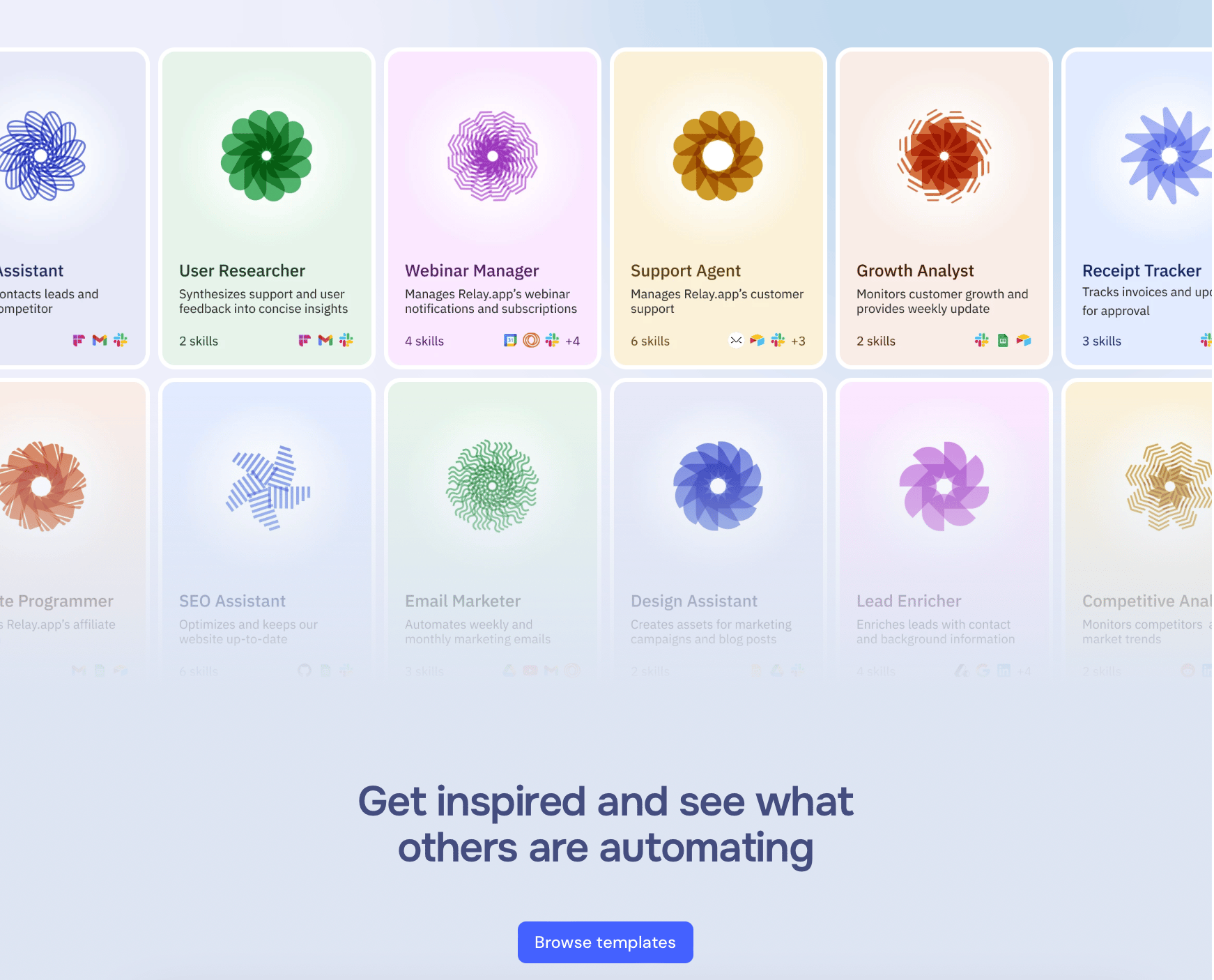
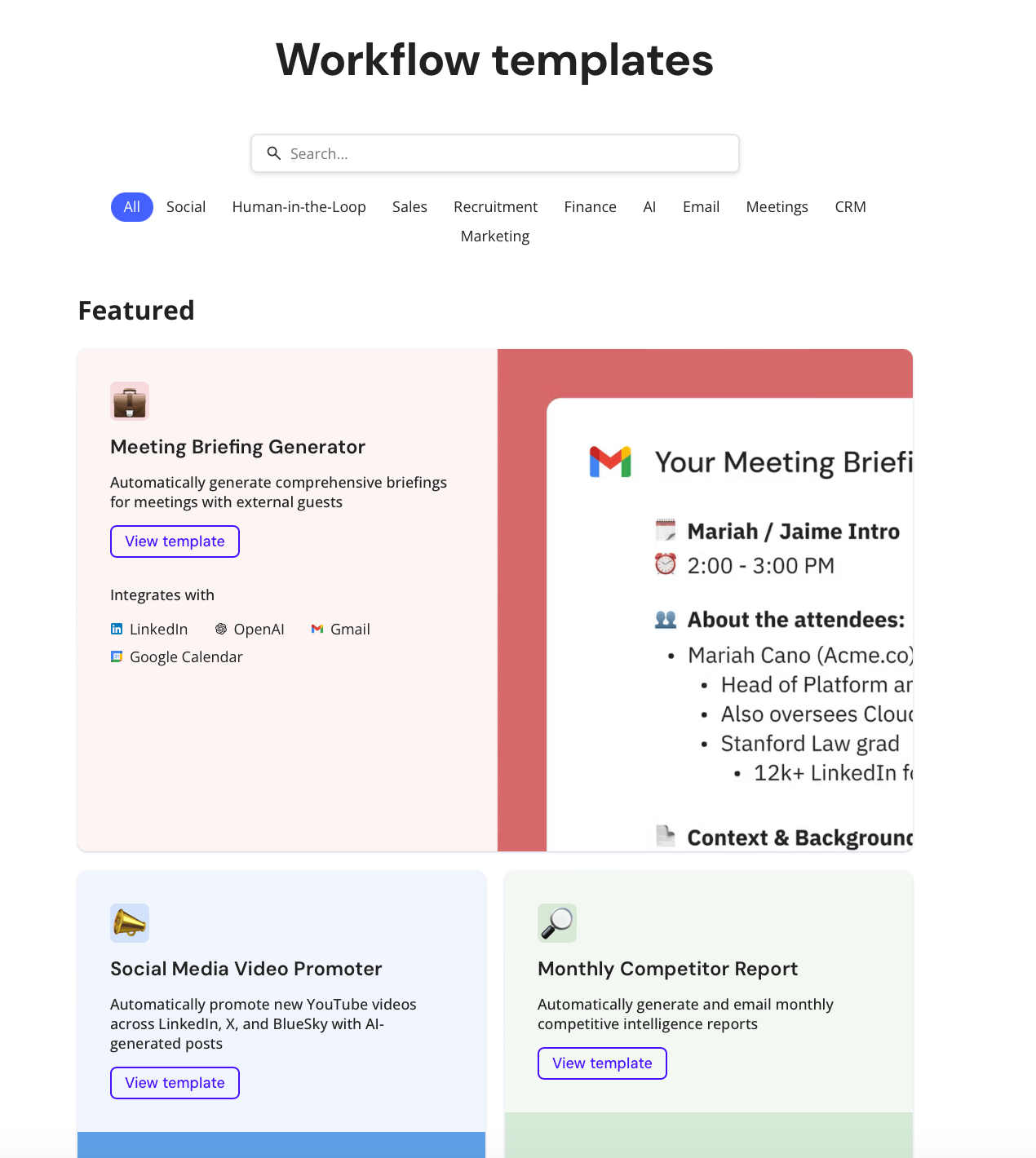
I don't know about you, but that's way more convincing than "automate your workflows with AI" in a headline. I can see how it will look like for me.
2. The daily experience.
Weave measures engineering performance and AI impact. Their landing page has these interactive, animated dashboard previews — not static screenshots, not marketing renders. You can see how data moves, how charts respond, what it would feel like to check this every morning 👇
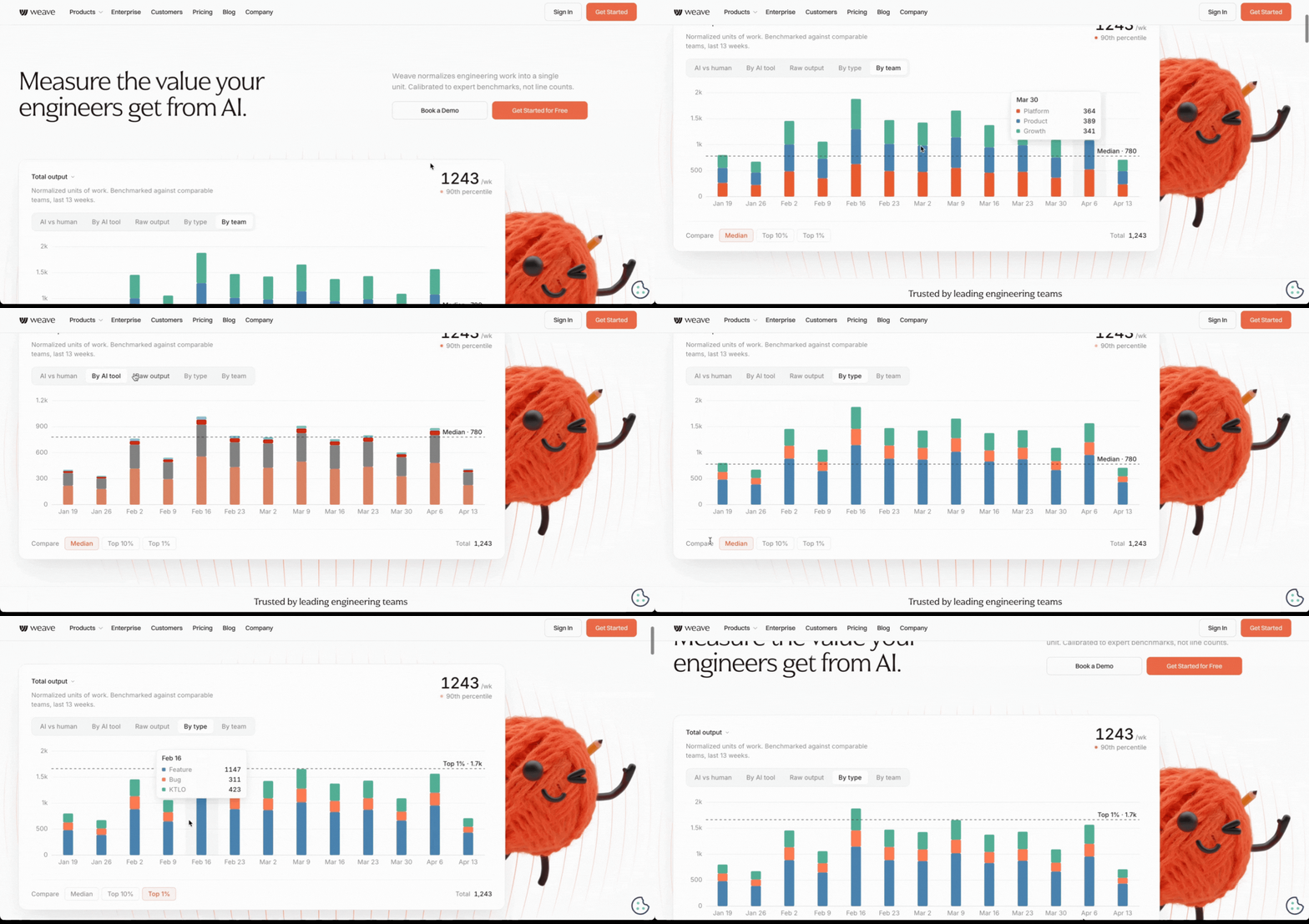
The less cartoonish and polished it looks, the better. This feels like peeking into the actual product. My brain stops treating it as an ad and starts treating it as experience.
3. The start.
Lovable’s landing page is the product. There's a prompt field right there. You type what you want, and it starts building. No account, no email, nothing. By the time they ask you to sign up, you've already got the sense of progress you don't want to lose 👇
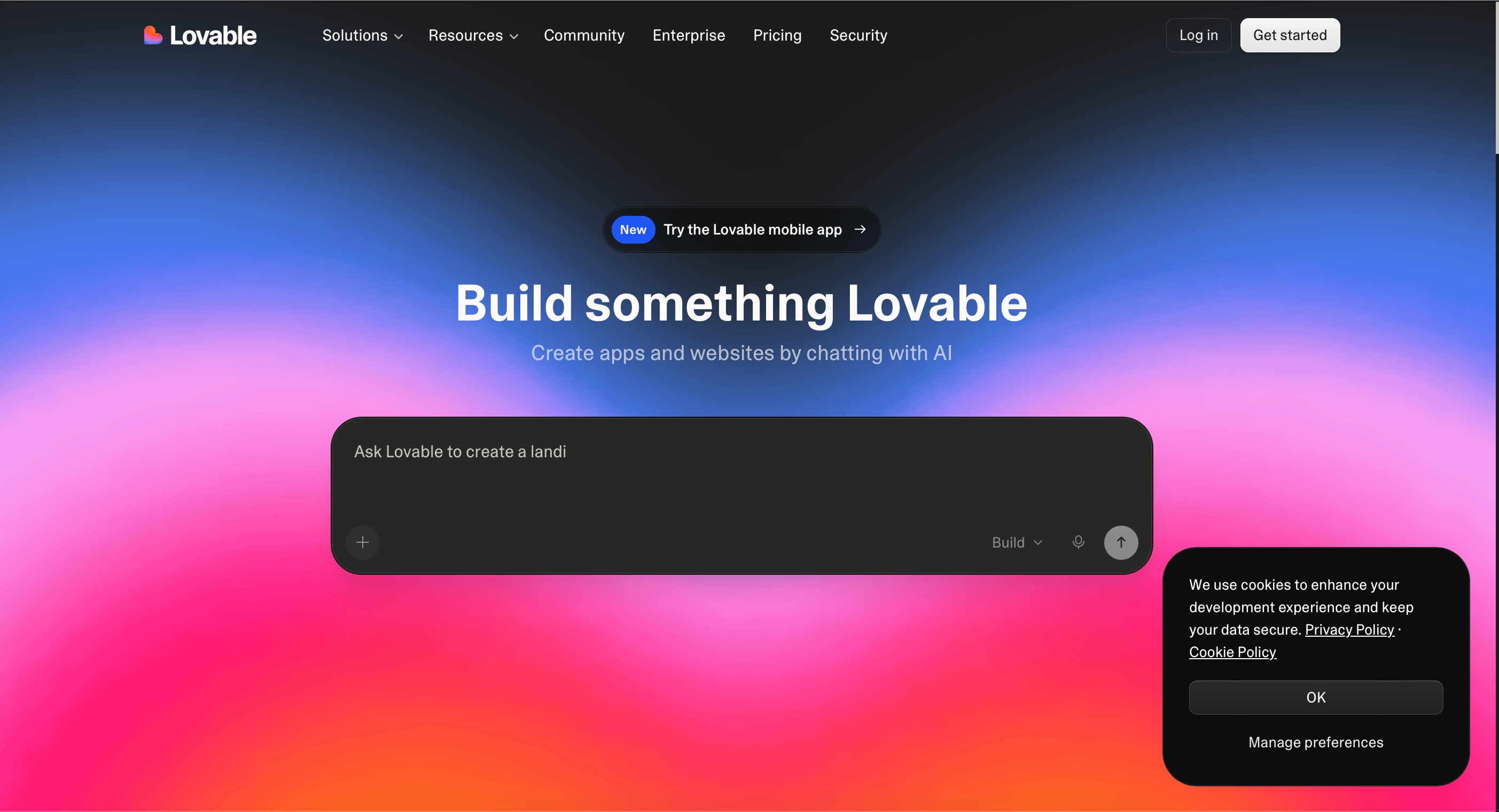
So: three products, three levels. Show the output. Simulate the experience. Let them do the thing. Does your landing page do any of these?
Why it works: psychology behind
There's a concept in consumer psychology called mental simulation — your ability to picture yourself using something before you commit to it.
Most landing pages force the user to do all the simulation work themselves. Read the headline, look at a screenshot, imagine what it means for your specific job. The problem? Imagination is lossy. Every gap you leave, the user fills with doubt.
Each of these three products closes that gap differently. Relay replaces imagination with real artifacts — you see the output, so you don't have to guess.
Weave replaces static images with motion — you see the interaction, so your brain treats it as experience rather than marketing.
Lovable removes the gap entirely — you're not simulating use, you're doing it, and now Bandura's self-efficacy kicks in. You don't wonder if you can use this product. You already proved you can.
The progression matters: the more concrete and interactive the preview, the less the user has to imagine, and the less they doubt.
The Playbook
When to keep it in mind:
Any product where the gap between "landing page" and "first real value" is long enough to lose people. AI products especially — because AI makes it cheap to generate previews, interactive demos, and real product experiences dynamically. If you're still relying on hero images and feature bullets, you're leaving activation on the table.
How to use it:
1. Start with the output.
Let people browse real results — templates, reports, projects that existing users built. Relay does this well. The cost is low: you're surfacing content that already exists. I'd push most teams to start here — it's the fastest win with the least engineering effort. If your product's value is visible in its artifacts, show them.
2. Add motion.
Go beyond static screenshots. Interactive previews, animated walkthroughs, GIFs that capture what daily use looks like. Weave does this with their dashboard demos. The key: it has to feel real, not produced. The moment it looks like a marketing render, the user's brain discounts it. Rough and honest beats slick and staged every time.
3.Drop the gate entirely.
Let the user start a real task before asking for credentials. Lovable nails this — type a prompt, watch your app get built(ish), sign up only after you have something to lose. Fair warning: this only works if your product can deliver a meaningful result fast or showcase the process at least. If you need config, data import, or team setup before value, Level 1 or 2 is the smarter move. But honestly? I’m sure some part can be delivered earlier.
When it backfires:
If the real product experience doesn't match the landing page preview. You've set an expectation now — and you have to deliver on it immediately after signup. An interactive demo that looks gorgeous, followed by an empty dashboard and a 12-step onboarding wizard, will hurt you more than a generic landing page ever would. The in-product experience has to pick up where the landing page left off and be a logical next step.
If you forget everything, remember this:
Your landing page doesn't exist to describe value. It exists to simulate, show it. The less your user has to imagine, the less they have to doubt — and the more likely they are to sign up and actually stick.
🎉 Woow, you finished the issue, that’s awesome!
Hi, I’m Anastasia Kudrow, and I write Ghosted.
I also help SaaS teams get more upgrades by using psychology instead of cheap tricks. Because hype aside, people will be buying your product for many more years, AI or not AI.